
Guide to Senior Living
Senior Living is still a relatively new industry in Malaysia, and the choices can feel unfamiliar. This guide walks you through the different types of care and services available for seniors and their loved ones, from the stages of aging to the everyday support that makes all the difference.
A Changing Landscape, and Why This Guide Matters
15%
Of Population by 2030
Malaysia will officially become an aging society, with 15% of our population aged 60 and above.
8-9%
Living with Dementia
Of Malaysians aged 60 and above are already living with some form of dementia, expected to grow significantly.
While these numbers may seem modest compared to neighbours like Singapore, Japan, or Australia, the shift is no less significant for us. It signals a quiet but profound change in how our families live, how our communities are structured, and how we as a nation think about what it means to grow older. The good news is that we still have time. Time to prepare, to plan, and to build a future that genuinely honours our seniors rather than scrambling to catch up later.
The Senior Living industry in Malaysia is finally beginning to take shape, and it is exciting to watch. Conversation around aging is more open than it has ever been, awareness is growing, and the choices available to families today are wider and richer than they were even a few years ago. This is part of a global megatrend, and Malaysia is finding its own voice within it.
When Care Concierge first opened its doors a decade ago, much of our work involved gently pushing back against the deep stigma surrounding the idea of "old folks homes" and the painful narrative of families "ditching" their elders.
That conversation has shifted in a meaningful way. Perceptions have softened, expectations have risen, and the realities of modern life, from smaller households to dual-income families to urban migration, have made thoughtful senior care a necessity rather than a taboo.
We see this evolution as overwhelmingly positive. Today there are more facilities designed around quality of life rather than just basic shelter. The infrastructure has matured, the options have multiplied, and the standard of care has risen across the board.
"Seniors are not a separate category of people. They are simply a stage of life. They have the same needs, the same fears, the same joys, and the same desire for belonging and purpose as anyone else."
Everything we build must start from that truth. And by learning from the experiences of countries further along this journey, we have the rare opportunity to leapfrog mistakes and shape something better suited to our cultural context, our families, and our values.
That is why our focus today is on building communities that are inclusive and intergenerational, with doors that stay open rather than closed. From a medical and care perspective, we have come to understand that aging is not one single experience but a series of distinct stages. Each stage has its own rhythm, its own challenges, and its own opportunities for support. Whether someone is fully independent, beginning to need a helping hand, requiring full-time nursing, or entering palliative and end-of-life care, the approach must be tailored, respectful, and human.
The Reality of Dementia
Globally, the World Health Organisation estimates that more than 55 million people are living with dementia, and that number is expected to nearly triple by 2050. Behind every one of those numbers is a person, a family, and a story. A parent who slowly forgets familiar faces. A spouse who begins to repeat the same questions. A grandparent who quietly loses the thread of their own life. Dementia is not just a medical condition; it is a deeply personal one, and it reshapes the entire family in ways that few are prepared for.
Caring for someone living with dementia or Alzheimer's requires a very different approach from general elder care. It is not simply a matter of physical assistance. It involves understanding cognitive decline, managing behavioural changes, creating safe and calming environments, and adapting communication so that connection remains possible even as memory fades.
The right care can dramatically slow decline, reduce distress, and preserve dignity. The wrong care, even when well-intentioned, can accelerate confusion, anxiety, and isolation. This is why specialised dementia care programs, trained staff, structured daily routines, sensory-friendly spaces, and meaningful engagement activities have become essential pillars of modern senior living.
The Invisible Backbone: Caregivers
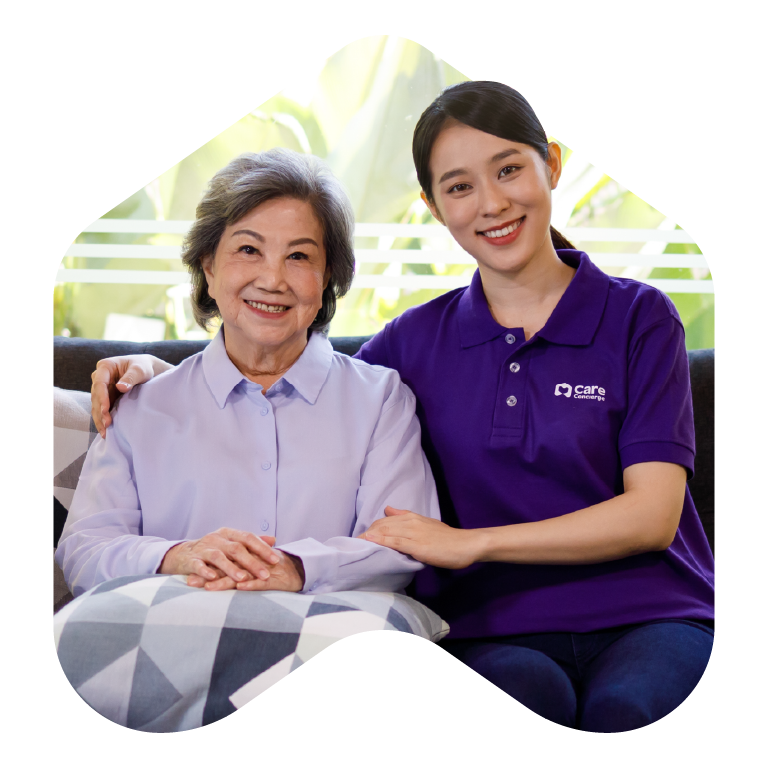
And this brings us to perhaps the most underappreciated figure in the entire ecosystem: the caregiver. Whether it is a family member quietly looking after a parent at home, a trained professional in a care centre, or a live-in nurse supporting someone through advanced illness, caregivers are the invisible backbone of senior care.
Their work is physically demanding, emotionally taxing, and often goes unrecognised. Yet they are the ones who hold everything together. A good caregiver does far more than perform tasks. They observe subtle changes, build trust, ease fear, restore routine, and offer the kind of human presence that no medical intervention can replicate.
We believe deeply in elevating the caregiver role through proper training, fair recognition, ongoing support, and a culture that treats caregiving as the skilled, meaningful profession it truly is.
We have spent a long time in this work, and we will be the first to admit that we are still learning. We are not perfect, and we do not pretend to be. What we can promise is that we are deeply committed to improving our programs, our centres, our training, and our overall approach so that we can help more people.
This guide is part of that commitment. It is a starting point for understanding what Senior Living looks like in Malaysia today. We affectionately call this stage of life the Golden Years, and our hope is that this guide helps you and your loved ones live them well.
Spectrum of Care
Senior Living Spectrum of Care in Malaysia
At-Home Care
Support services provided in the senior's own home, such as help with daily tasks, personal care, or nursing. It allows them to stay in familiar surroundings while receiving the care they need.